
Technology newsroom
IBM Unveils Groundbreaking 2nm Mainframe Chip! World's First to Integrate Arm and IBM Z Architectures in a Single Core
IBM introduces its innovative new 2nm mainframe chip, the world's first to integrate Arm and IBM Z architectures in a single core, enabling organizations to run Arm-native Linux alongside z/OS on a single piece of hardware.
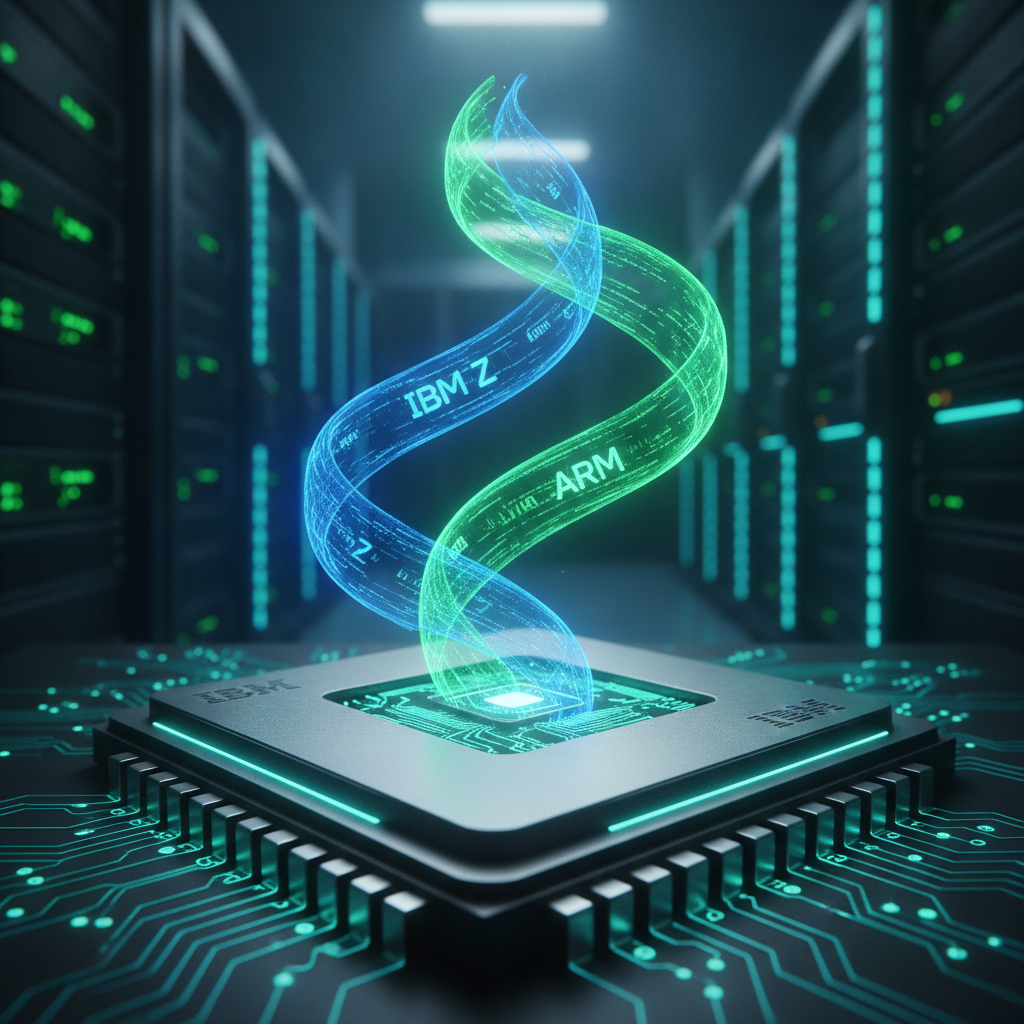
📌 Key Highlights:
- IBM unveiled the industry's first Dual-Architecture mainframe processor at Hot Chips.
- Developed on 2nm manufacturing technology, it can run both Arm and IBM Z instruction sets simultaneously in a single processing core.
- Increases organizational flexibility by allowing Arm-native Linux to run alongside traditional operating systems like z/OS and Linux on IBM Z on the same hardware.
IBM made a splash at the Hot Chips conference by unveiling an innovative new mainframe processor, marking an industry first with its dual-architecture design. This chip is engineered for future enterprise systems like IBM Z and LinuxONE.
🚀 A Significant Innovation
The uniqueness of this processor lies in its integration of two entirely different Instruction Set Architectures into a single processing core: the IBM Z architecture, which has long been the heart of mainframe systems, and the Arm architecture, which is highly popular today. All of this is achieved using advanced 2-nanometer manufacturing technology.
🤝 The Result of Collaboration
This chip is a product of collaboration between IBM and Arm, addressing the needs of modern organizations that require flexibility in running diverse applications. This design will enable organizations to seamlessly run Arm-native Linux environments alongside traditional workloads on z/OS and Linux on IBM Z, all on a single mainframe machine.
💼 Benefits for Organizations
The arrival of this processor will significantly reduce the complexity of IT infrastructure. Organizations will no longer need to invest in separate hardware for different workloads, leading to reduced costs, increased resource utilization efficiency, and opening the door to developing next-generation applications on a mainframe platform renowned for its stability and security.
💬 How do you think the arrival of such a Dual-Architecture chip will transform the landscape of Enterprise IT and Data Centers?