
Technology newsroom
Fixing Dynamic Lighting in Windows 11: RGB Lights Not Changing Color
Troubleshoot Dynamic Lighting in Windows 11 when RGB lights aren't changing color or settings are greyed out. Learn how to check device compatibility, close conflicting programs, and safely update drivers so you can control lighting on all your devices from one place.
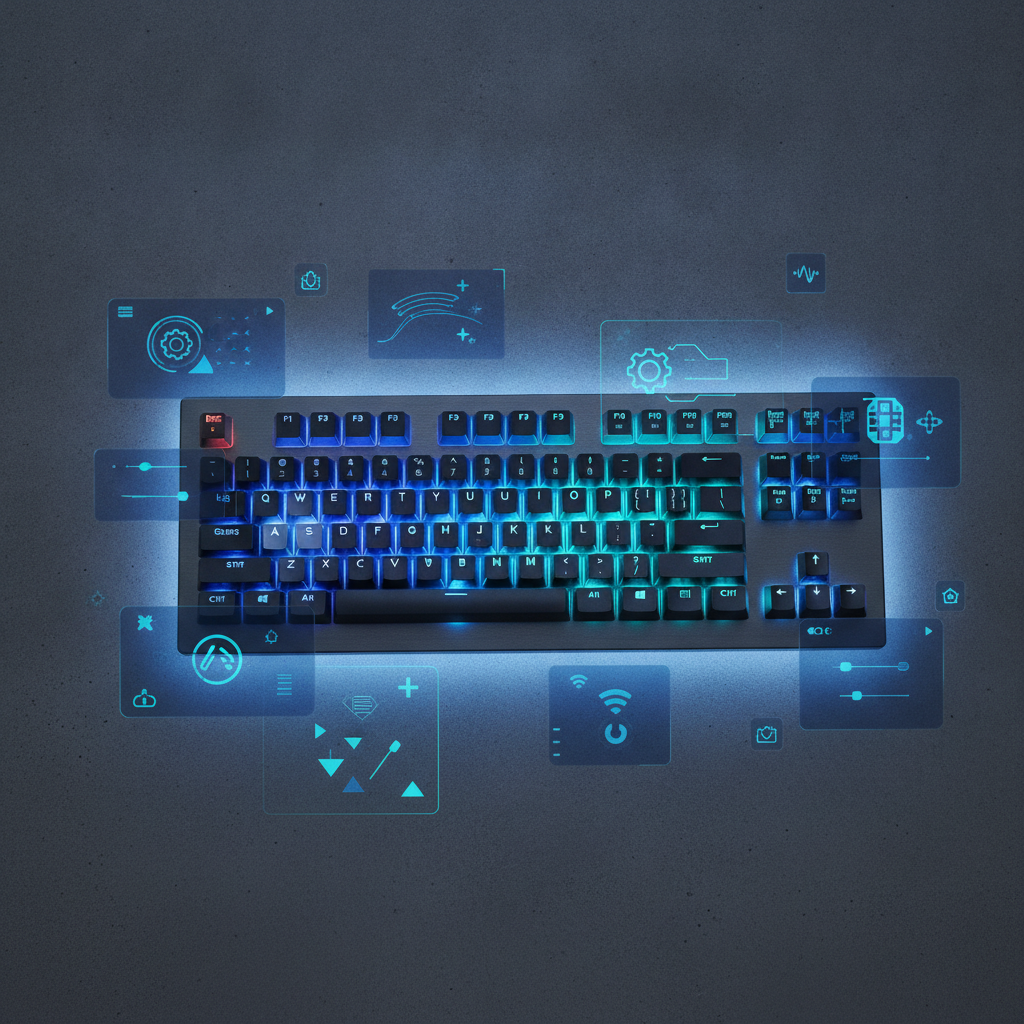
Have you ever bought computer peripherals like an RGB keyboard, mouse, or case fan, only to struggle with chaotic settings because each brand has its own control software? Fortunately, Windows 11 features Dynamic Lighting, designed to unify control over all RGB lighting. However, sometimes this feature doesn't work as expected. This article from SyncTech Solution will guide you through troubleshooting Dynamic Lighting when it's not working, settings are unavailable, or options are greyed out, so you can once again enjoy customizing the colors on your computer desk.
### Understand Before You Fix: How Dynamic Lighting Works?
Dynamic Lighting is a central system in Windows 11 that aims to act as a mediator for controlling RGB devices from various manufacturers. Instead of installing separate programs like Razer Synapse, Corsair iCUE, or Logitech G HUB to manage each component's lighting, you can use the Windows Settings menu to customize basic effects.
The main reasons Dynamic Lighting fails to work are usually a few basic issues:
1. **Software Conflicts:** Lighting control programs from device manufacturers (e.g., Razer Synapse) are often designed to have direct control over hardware. When these programs are running, Windows cannot issue conflicting commands.
2. **Unsupported Devices:** Not all RGB devices are compatible with Windows Dynamic Lighting. Manufacturers must release compatible firmware or drivers first.
3. **Windows Settings:** It might be a simple setting that's turned off, or another application might have higher priority in controlling the lighting.
4. **Outdated Drivers or Windows:** Device drivers or Windows itself might have bugs that require an update to fix.
### Before You Start: Get Ready
To ensure smooth and efficient troubleshooting, gather a little information before you begin:
* **Note Device Models:** Check the brand and model of your keyboard, mouse, or other RGB devices.
* **Check Manufacturer Information:** Use the model name to search on the manufacturer's website to see if your device officially supports Windows Dynamic Lighting (sometimes called Windows HID LampArray). This check will quickly tell you if the problem is due to device incompatibility.
### Safe Troubleshooting: 5 Steps to Fix Dynamic Lighting
Follow these steps in order, from easiest to most complex, to identify the root cause of the problem and address it effectively.
**1. Check if Windows Detects Your Devices**
* **WHAT:** Check if your RGB device appears in the list of supported Dynamic Lighting devices.
* **WHERE/HOW:** Go to `Settings` > `Personalization` > `Dynamic Lighting` (or type "Dynamic Lighting" in the Start menu search bar). Observe under the "Devices" section whether your keyboard or mouse name is displayed.
* **WHY:** If your device name is not on this page, it means Windows does not recognize or cannot control that device via this feature. This could be due to unsupported hardware or driver issues. Proceeding with other steps may not help.
* **EXPECTED RESULT:** You should see your device name (e.g., "Razer BlackWidow V4") displayed in the list and be able to click on it to configure device-specific settings.
**2. Enable Dynamic Lighting and Configure Basic Settings**
* **WHAT:** Check and turn on the main switch for the Dynamic Lighting feature.
* **WHERE/HOW:** On the same `Dynamic Lighting` page, look for the `Use Dynamic Lighting on my devices` option at the top. Ensure this switch is set to `On` (blue).
* **WHY:** This is the master on/off switch for the entire system. If it's off, everything related to Dynamic Lighting will stop working and may appear greyed out.
* **EXPECTED RESULT:** When the switch is set to `On`, other setting options, such as color effects (Effects), should become available, and the device lighting might change to the default Windows color.
**3. Temporarily Disable Manufacturer RGB Control Programs**
* **WHAT:** Close RGB management software from various brands, such as Razer Synapse, Corsair iCUE, Logitech G HUB, or Armoury Crate.
* **WHERE/HOW:** Look for these program icons in the System Tray (bottom-right corner of the screen, near the clock). Right-click the icon and select `Exit`, `Quit`, or `Close Program`. To ensure the program is completely stopped, open Task Manager (press `Ctrl` + `Shift` + `Esc`), look for related programs in the Processes tab, and click End Task.
* **WHY:** This is the most common cause. These programs are designed for direct lighting control and often "hijack" control from Windows. Closing these programs will return control to Dynamic Lighting.
* **EXPECTED RESULT:** After closing these programs, return to the Dynamic Lighting settings page and try changing the color effects again. The device lighting should immediately respond to Windows settings.
**4. Update Windows and Device Drivers**
* **WHAT:** Check for and install the latest updates for Windows 11 and relevant drivers.
* **WHERE/HOW:** Go to `Settings` > `Windows Update` and click `Check for updates`. Wait for the system to check for and install all necessary updates. Additionally, click `Advanced options` > `Optional updates` to see if any drivers for your devices are available for installation.
* **WHY:** Windows updates may include direct bug fixes for the Dynamic Lighting feature, while driver updates help hardware communicate with the operating system correctly and at peak performance.
* **EXPECTED RESULT:** Your system is up-to-date, which reduces the chance of issues caused by outdated software. After restarting your computer, Dynamic Lighting may function normally again.
**5. Prioritize Applications**
* **WHAT:** Determine which applications should have permission to control lighting when running in the foreground.
* **WHERE/HOW:** On the `Dynamic Lighting` page, scroll down to the `Background light control` section. You will see a list of apps that can control lighting (e.g., Wallpaper Engine). You can drag to reorder them.
* **WHY:** Sometimes, background applications may gain control of the lighting, overriding Windows' main settings. This setting ensures that more important applications (e.g., a game you are playing) can control lighting effects as designed.
* **EXPECTED RESULT:** Lighting control follows your preferred order, ensuring light effects work in conjunction with the applications you are using.
### Verify the Solution
After following the steps, go back to `Settings > Personalization > Dynamic Lighting` and try the following to confirm the issue is resolved:
* **Change Effects:** Try selecting different effects from the menu, such as Solid color, Breathing, Rainbow wave. The device lighting should change immediately.
* **Adjust Brightness:** Try moving the `Brightness` slider and observe if the RGB lighting's brightness increases or decreases as set.
* **Options Not Greyed Out:** Previously greyed-out setting options should now be available for normal use.
### If It Still Doesn't Work
If, after trying all steps, Dynamic Lighting still does not work, it is highly probable that the issue is more complex than usual, such as your device not fully supporting this feature or a problem with Windows system files.
In this case, the safest approach is to **reinstall the manufacturer's RGB control software** and use it for now, while keeping an eye out for future firmware updates for your device and Windows. For employees within an organization, if you encounter this issue with a company computer, you should contact IT support, as there might be certain organizational policies restricting this feature's functionality.
### Conclusion
The Dynamic Lighting feature in Windows 11 is an excellent tool for unifying RGB lighting management. However, when problems arise, they are often caused by software conflicts, incorrect settings, or outdated drivers. Systematically troubleshooting, starting with checking compatibility, closing conflicting programs, and updating your system, will usually help you regain complete control over the lighting on your computer desk.