Closed-Circuit Television (CCTV) is an important device that helps increase security for homes, offices, shops, factories, warehouses, or various locations. Choosing the right CCTV for your needs should consider several factors, such as the type of camera, installation area, lens angle, resolution, night vision, and additional features.
This article will introduce the types of CCTV cameras, the advantages of each type, how to choose lenses, indoor and outdoor installation, as well as considerations before purchasing, in order to get a camera system that is suitable and cost-effective for actual use.
Types of Closed-Circuit Television (CCTV) Cameras
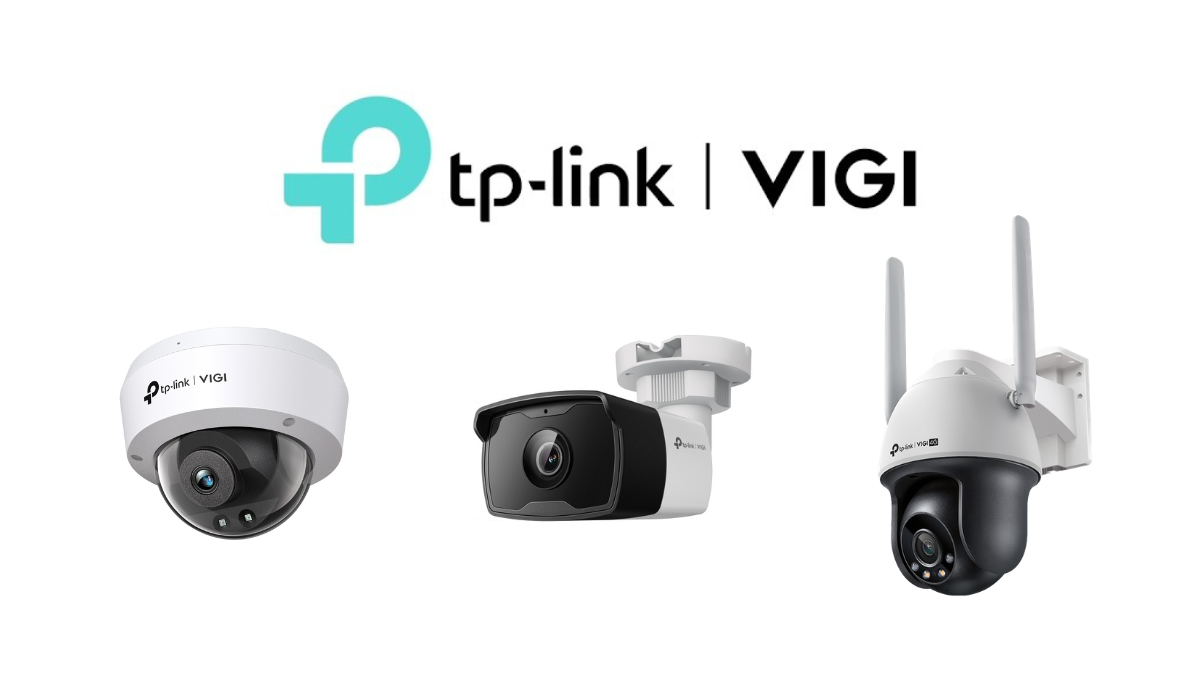
- Dome Camera (Dome Camera)
- Characteristics: Round shape, compact, neat design, blends well with the installation area
- Suitable for: Indoor installations such as homes, offices, shops, hotels, or areas that require a neat appearance
- Advantages: Not conspicuous, can be installed on ceilings well, some models have impact-resistant structures and provide a wide view
- Precautions: If installed outdoors, choose a model that is waterproof and dustproof and suitable for the actual environment
- Bullet Camera (Cylinder-shaped Camera)
- Characteristics: It is a cylinder-shaped camera, clearly showing the direction of the captured image.
- Suitable for: Outdoor installation such as house fences, parking lots, factories, warehouses, or entrances and exits.
- Advantages: Suitable for long-distance viewing, weather-resistant in models with IP66 standard or higher, and serves as a visual deterrent to potential wrongdoers.
- Precautions: Should be installed in positions not prone to being hit or having its angle easily changed.
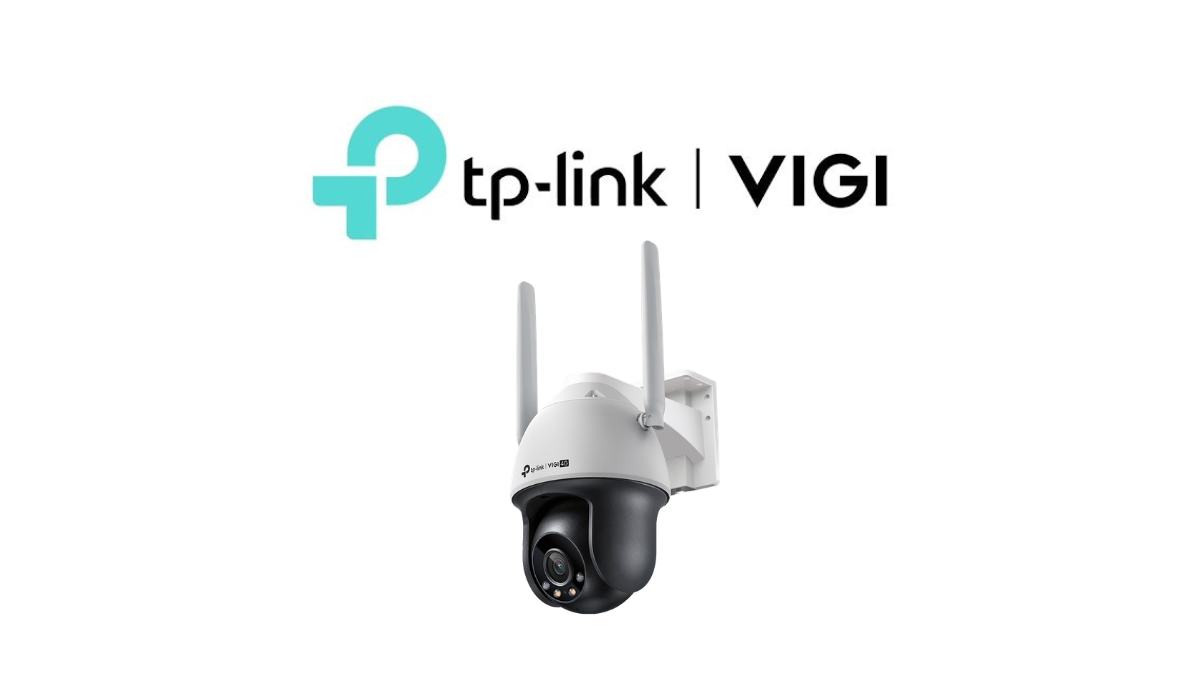
- PTZ Camera (Pan-Tilt-Zoom)
- Characteristics: Can rotate left-right, tilt up-down, and zoom in on images
- Suitable for: Wide areas such as parking lots, sports stadiums, shopping malls, factories, or areas that require flexible viewing angles
- Advantages: Covers wide areas, can be controlled remotely, and can zoom in to view specific details
- Precautions: More expensive than regular cameras and requires proper installation planning to operate at full efficiency
- IP Camera (IP Camera)
- Characteristics: It is a camera that transmits data through a network system, compatible with LAN, PoE Switch, NVR, or network management systems.
- Suitable for: Homes, offices, shops, factories, or places where images need to be viewed via mobile phones, computers, or online systems.
- Advantages: Supports high resolution, allows remote viewing, easy network management, and is suitable for modern camera systems.
- Precautions: The network system should be properly designed, such as bandwidth, PoE budget, IP address, and system security.
- Analog Camera (Analog Camera)
- Features: Uses Coaxial cable for connection and is often used with DVRs
- Suitable for: Existing camera systems that already have Coaxial cables, or projects that want to upgrade partially without installing all new wiring
- Advantages: Initial cost is usually lower than IP Cameras and is suitable for use in existing systems
- Considerations: Flexibility and network features may be less than IP Cameras
- Thermal Camera (thermal camera)
- Characteristics: Detects the heat of objects or people instead of using normal light images
- Suitable for: Areas that require heat detection, detecting people in the dark, or specialized use such as factories, high-risk areas, or advanced security systems
- Advantages: Can detect even in low light or no light conditions, suitable for specialized tasks
- Precautions: More expensive than regular cameras and may not be suitable for tasks requiring facial details or object colors
- Fisheye Camera (Fisheye Lens Camera)
- Characteristics: Uses an extra-wide-angle lens, providing a view of approximately 180 or 360 degrees
- Suitable for: Meeting rooms, building halls, shops, warehouses, or areas where an overview from a single camera is desired
- Advantages: Covers a very wide area, reducing the number of cameras needed
- Precautions: Images at the edges may be distorted, and distant details may be less clear than with a standard lens camera
Installation of CCTV Cameras Inside and Outside the Building
1. Indoor Cameras
Indoor cameras should focus on tidiness, comprehensive viewing angles, and not disturbing the users' vision in the area, such as offices, shops, meeting rooms, or residential homes.
Suitable Camera Types
- Dome Camera
- IP Camera
- Fisheye Camera for wide areas
Qualifications that should be possessed
- Resolution 1080p or higher
- Wide enough view for the installation area
- Sound system, if audio recording is needed
- Motion detection system
- Neat design, suitable for indoor areas
2. Cameras for Outdoor Use
Outdoor cameras must withstand environmental conditions such as rain, dust, heat, and sunlight, and must also support good visibility at night.
Suitable Camera Types
- Bullet Camera
- Outdoor Dome Camera
- PTZ Camera
- Thermal Camera for specialized work
Qualifications that should be possessed
- Waterproof and dustproof standards, such as IP66 or higher
- Durable materials, resistant to sun and rain
- IR or Color Night Vision system
- Infrared range suitable for the area
- Viewing angle and lens distance suitable for the installation point
Choosing the Lens Size for CCTV Cameras
Lens size affects the field of view and viewing distance. Generally, lenses with lower numbers provide a wider field of view, while lenses with higher numbers provide a narrower field of view but allow seeing farther distances.
- 2.8 mm Lens
- Field of View: Wide, approximately 100-120 degrees depending on the camera model
- Suitable for: Small rooms, corridors, shops, or areas where a wide view is needed
- Advantages: Captures a wide area, suitable for installation points that require an overview
- 3.6 mm Lens
- View Angle: Approximately 80-90 degrees, depending on the camera model
- Suitable for: Medium-sized areas, such as offices, store fronts, or entry points
- Advantages: Balanced between field of view and visibility distance
- 6 mm lens or longer
- Field of view: Narrow, about 50-60 degrees or less, depending on the camera model
- Suitable for: Long-distance viewing, such as entrances, fences, roads, or spots requiring specific details
- Advantages: Better at seeing details from a distance than wide-angle lenses
How are IR and Color Night Vision cameras different?
1. IR (Infrared) Camera
- Uses infrared light to help see in the dark
- Provides black and white images at night
- Suitable for completely dark areas
- Commonly used in parking lots, warehouses, corridors, or outdoor areas
- IR range should be checked to match the area, such as 20 meters, 30 meters, or more
2. Color Night Vision Camera
- Provides color images at night or in low light conditions
- Helps to distinguish details better, such as clothing color, car color, or object color
- Suitable for areas with minimal light, such as storefronts, streets, or areas with illuminated lighting
- Some models have additional lights to help make color images clearer at night
- If the area is completely dark, infrared (IR) or additional lighting may still be required
What camera resolution should be chosen?
- 2MP / 1080p: Suitable for general use, such as homes, small shops, or areas that do not require much detail
- 4MP: Suitable for tasks that require higher clarity, such as offices, shops, or entrances/exits
- 5MP-8MP: Suitable for wide areas that need more detail, such as warehouses, parking lots, or factories
- More than 8MP: Suitable for specialized tasks that require very high detail, but storage space and bandwidth must be considered
The higher the resolution, the sharper the image, but it will use more storage space and bandwidth. Therefore, it should be chosen to suit the NVR, storage, and network system in use.
Considerations Before Choosing a CCTV Camera
- Installation Location
Check whether it is installed indoors or outdoors, how much light the area has, and whether you need to view images up close or from a distance. - Types of Cameras
Choose Dome for indoor, Bullet for outdoor, PTZ for wide areas, Fisheye for 360-degree views, or Thermal for specialized tasks - Resolution
You should choose a minimum resolution of 1080p and consider 4MP or higher for areas that require more detail. - Lens Size and Field of View
Wide lenses are suitable for close areas where an overview is needed, while long-distance lenses are suitable for doors, entrances, or points where specific details need to be seen. - Night Vision
If the area is completely dark, you should choose an IR camera. If you want color images at night, you should choose Color Night Vision and there should be sufficient lighting. - Water and Dust Resistance Standard
The outdoor camera should have an IP66 standard or higher to protect against dust and rain. - Recording System
You should consider whether to record via NVR, SD Card, NAS, or Cloud, and you must calculate sufficient storage space. - Network System and PoE
If using an IP Camera, plan the LAN cables, PoE Switch, PoE Budget, and Bandwidth appropriately to ensure the camera operates stably - Additional Features
Such as Motion Detection, Human Detection, Vehicle Detection, Smart Event, Audio Recording, Alarm I/O, or app notifications - Total Budget
You should consider the total budget including the camera, NVR, Hard Disk, PoE Switch, LAN cable, Rack cabinet, UPS, and installation costs, not just look at the camera price alone.
Examples of Choosing Cameras According to the Area of Use
| Usage Area | Recommended Camera Type | Features to Have |
|---|---|---|
| Inside the house | Dome / IP Camera | 1080p or higher, wide angle, viewable via mobile |
| Office | Dome / Fisheye | 4MP resolution, Motion Detection, Central recording system |
| Storefront | Dome / Bullet | Color Night Vision, Human Detection, Clear Image |
| Parking lot | Bullet / PTZ | Long-range IR, IP66 or higher, long-range lens |
| Warehouse | Bullet / Fisheye / PTZ | Wide view, IR, 24-hour continuous recording |
| High-risk area or specialized area | Thermal / PTZ | Heat detection, automatic alert, central control system |
Summary
When choosing a CCTV camera, consideration should be given to the installation area, camera type, resolution, lens size, night vision, and recording system, rather than selecting based solely on price or resolution.
For indoor areas, Dome cameras or IP cameras are usually suitable choices. For outdoor areas, Bullet cameras or PTZ cameras with waterproof and dustproof standards and sufficient IR systems should be selected. If you need to cover a very wide area, Fisheye or PTZ cameras can help reduce the number of cameras. Thermal cameras are suitable for specialized tasks that require heat detection or operation in challenging lighting conditions.
If you choose the right cameras for the area and design the recording system, network, and data storage well from the start, it will help improve surveillance efficiency, reduce blind spots, and make the security system more stable in the long term.
Need expert advice or would like to request a quotation? Contact us today:
E-mail: [email protected]
LINE Official: @sync.co.th

The Company reserves the right to correct any typographical or printing errors and shall not be held liable for any inaccuracies resulting from such errors.
*** This article is the intellectual property of SyncTech Solution Company Limited. Reproduction, modification, or redistribution of this content, in whole or in part, is strictly prohibited without prior written permission from the Company. ***